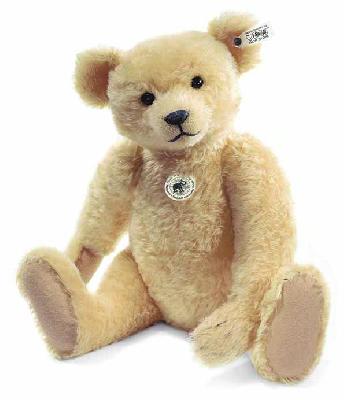
Margarete Steiff first began making soft toys in the 1870s. Confined to a wheelchair since the age of two, due to polio, she became popular with the children of Giengen, her hometown in Germany, with her happy stories.

She owned the first sewing machine in the town, and using the skills she learnt as a dressmaker, first produced a felt elephant in 1877. Soon after, many children were receiving gifts of felt animals, hand-made from scraps of felt from her mother’s family’s felt factory. Continue Reading…

(9)

The Chiltern teddy factory initially began in London, in 1908, when Joseph Eisenmann opened the  Chiltern Toy Works. It produced many types of toys, with the first teddy appearing in 1915, being the ‘Master Teddy’. Unusually, the body was made from linen, and was dressed in a shirt and overalls. His head was comparatively large, with large opaque glass eyes and small ears. The big grin is distinctive and appealing!  This teddy was produced in different sizes, and is highly collectable! In 1919, however,  Leon Rees took over the company upon the death of Joseph. It was not until 1920, though, that he went into partnership with H G Stone, to create the firm of H G Stone and Company. It operated from the Chiltern factory. Continue Reading…

(3)

Trading as the Verna Toy Company, Eva Barnett began producing dolls and soft toys in 1941, in Melbourne. Known as a quality and creative doll maker, it was not until 1948, when ownership changed to Arthur Eaton, that teddies began to be produced.

1941-1948

Verna dolls were often made of fabric or felt, with cloth mask (buckram) faces, and were stuffed with kapok. This filling felt soft in smaller dolls but created a much heavier large doll!  It was also difficult to wash successfully as it tended to clump and settle in awkward ways! Continue Reading…

(35)

Collecting teddy bears is now a popular, and often expensive, hobby. Collectable bears can cost up to six-figure sums! It is therefore important to care for teddy investments, both to preserve their value and their appeal.

CLEANING

How teddy bears are cleaned depends on the materials used, and their age.

ANTIQUE TEDDIES–  old teddies require very careful cleaning. Incorrect treatment can cause teddy all sorts of grief! It is not so much the fur used that can create a problem, but the stuffing. Cleaning should be avoided if possible. Continue Reading…

(1)

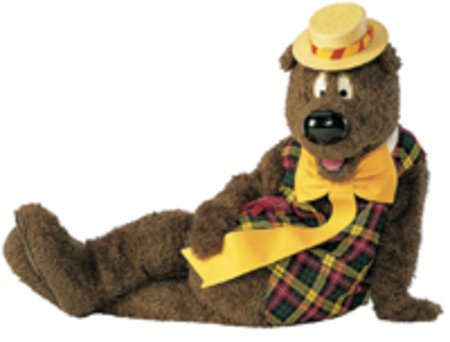
Humphrey B Bear was one of the longest running children’s television programmes in Australia. Running for over 3,000 episodes, his image has been immortalised on countless toys and other products! Many of these are now collectable.

Humphrey Makes An Appearance

Humphrey, the honey-loving, accident-prone bear first appeared in his own show on 24th May, 1965, and only ceased production in 2009. He bears similarities to an Australian predecessor, Fredd Bear, who starred in Fredd Bear’s Breakfast A Go-Go in 1964. Later, Fredd and his female friend, Fee Fee were characters in the highly popular The Magic Circle Club (1965). Continue Reading…
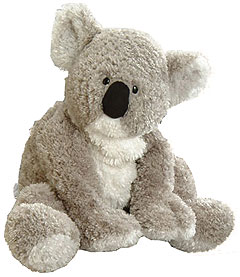
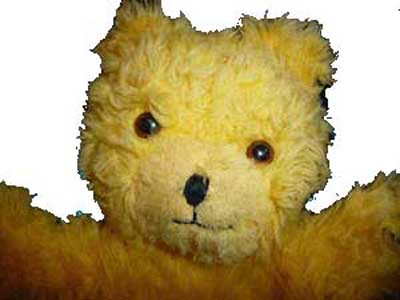
(45)

The koala is an iconic Australian marsupial. Cute and soft, it was inevitable it would be made into soft toys!

1920s

Australia’s ‘bear’, the koala became a popular subject for toys in the 1920s. The first soft toy koalas were made of koala, wallaby or kangaroo fur, with jointed arms, legs and head. Eyes were made of leather shoe buttons with a pure rubber nose. These noses have tended over time to become hard and brittle. Claws were leather. These toys are comparatively rare and highly collectable. Stuffed with woodwool, they have also become a favourite with insect infestations! Continue Reading…

(78)

Jakas began production in 1954 in Melbourne by Marion Stanford, reaching its peak in the 1960s-80s. Sought-after, Jakas teddies are very collectable.

Early Teddies-1950s

The earliest Jakas bears are comparatively rare. Made from mohair, they were fully jointed and stuffed with kapok. With glass eyes, these bears were good quality but often unlabelled and so harder to attribute to Jakas. Production of these mohair bears was short-lived, as a changing market favoured a different type of teddy. Continue Reading…

(42)

“Behind Every Great Man (Or Bear)…”

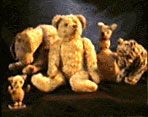
In 1920, Daphne Milne bought a large mohair teddy bear for her one year old son, Christopher, from the famous London department store, Harrods. As the English firm of JK Farnell was the exclusive supplier of teddies to Harrods, it is most likely that Farnell made Winnie-The-Pooh. There would be many other similar bears around the world! A big family of “Poohs” under different names! Continue Reading…

(6)

The first teddies appeared on the world market in 1902/3. It was only after WW1 when Australia began to be less reliant on imports and manufactured more products, that teddy bear production officially began.Joy Toys in Melbourne (1923) and Fideston in Bunbury, WA, were the first significant producers of teddies in Australia. Continue Reading…

(38)

The oldest and most prolific of the Australian soft toy manufacturers, Joy Toys is known for its quality. Highly sought – after by collectors, Joy Toys teddy bears command high prices on the Australian market.

Early Days – 1920s

The teddy bear industry began in Australia in South Yarra, Melbourne. Joy Toys commenced business in the early 1920s, as teddies became popular, and as WW1 meant a ban on teddies being imported from Germany, and disrupted shipments from Britain. Established by George Kirby and his wife, the company flourished. Continue Reading…

(100)
Shopping cart0
There are no products in the cart!
Continue shopping
0